Threat Intelligence-Based Awareness Training
Threat Intelligence-Based Awareness Training Your employees train against templates. Attackers train against your organization.

Threat Intelligence-Based Awareness Training
Your employees train against templates. Attackers train against your organization.
Most security awareness programs train employees against threats that no longer exist. The compliance checkbox gets ticked, phishing simulation metrics look reasonable, and then an attacker using a novel AI-generated voice clone or a hyper-personalized pretext walks right through the front door.
The disconnect is predictable. Vendors create generic templates based on common attack patterns, organizations deploy them quarterly, and employees learn to spot the telltale signs of those specific simulations rather than developing genuine threat recognition skills. Meanwhile, threat actors continuously adapt—and increasingly leverage AI to do it faster.
At Breacher.ai, we take a fundamentally different approach. Our simulations and assessments are built from real-world threat intelligence and actual phishing samples collected from organizations across industries. We don't train your people against hypothetical attacks. We train them against what's actually hitting inboxes right now.
From Generic Templates to Real Attack Data
Consider the difference between a standard awareness approach and one informed by actual threat intelligence. A generic program might include a simulation with a fake package delivery notification—a common enough pretext that appears in countless phishing kits. Employees recognize these tired templates almost immediately because they look nothing like the sophisticated attacks targeting their organization.
Our approach starts with reality. We incorporate actual phishing emails and social engineering attempts collected from organizations—sanitized and anonymized, but preserving the techniques, pretexts, and psychological triggers that made them effective. When a novel business email compromise campaign starts targeting a particular sector, that attack pattern flows into our simulation library within days, not quarters.
This specificity matters. Employees who learn to scrutinize communications that mirror real attacks develop transferable threat recognition skills. They're not just pattern-matching against a template they've seen before; they're applying critical thinking to scenarios indistinguishable from genuine threats.
Generic vs. Intelligence-Driven Training
Generic Simulations
- Recycled templates from years ago
- Obvious red flags employees memorize
- Quarterly updates at best
- No industry-specific context
- Click rates measure template recognition
Threat Intel-Driven
- Real phishing samples from the wild
- Sophisticated pretexts that actually work
- Continuous threat integration
- Sector-specific attack patterns
- Metrics reflect real-world resilience
The AI Threat Multiplier
Traditional social engineering required significant manual effort. Attackers had to research targets, craft personalized messages, and often operate in a language that wasn't their own. These constraints created tells that trained employees could recognize.
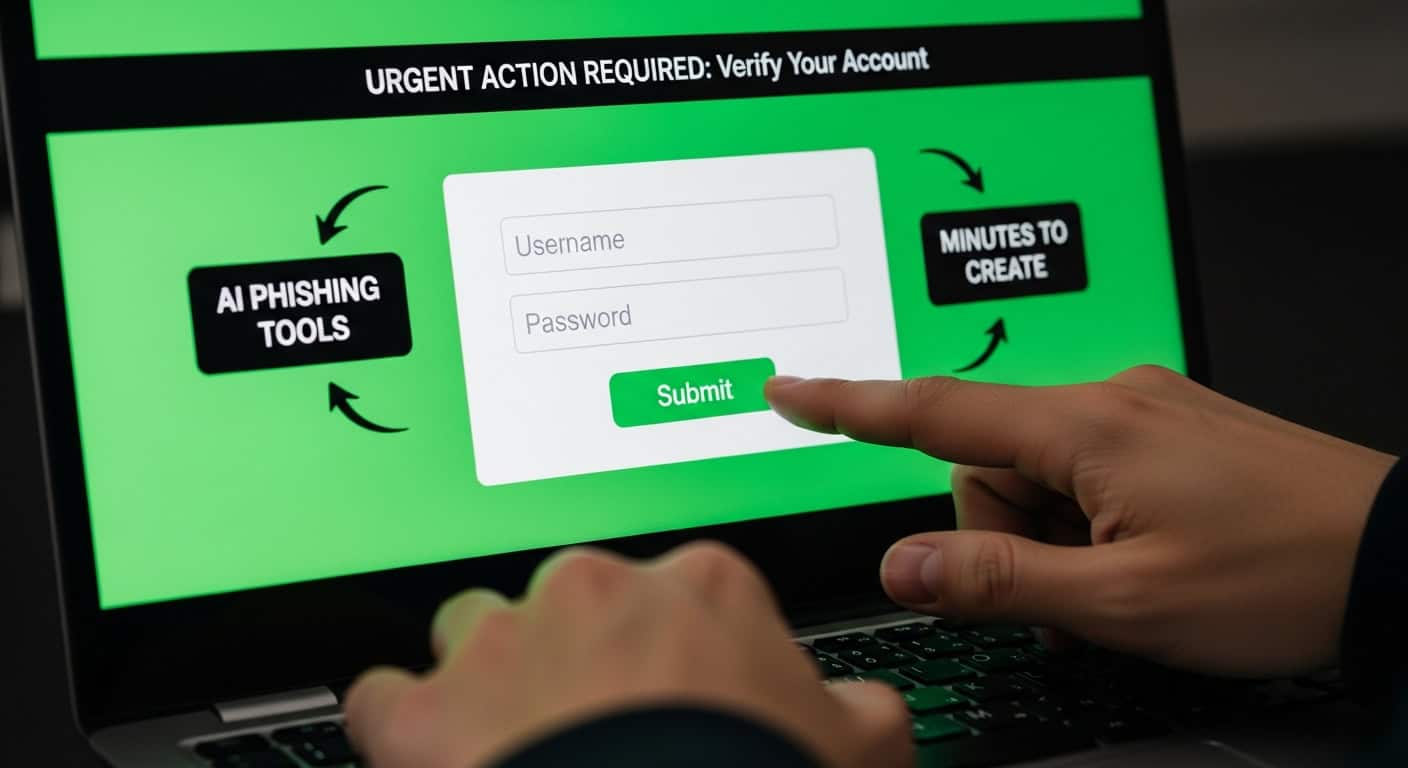
AI eliminates those constraints. Large language models generate flawless, context-aware pretexts at scale. Voice cloning technology enables vishing attacks where "the CEO" calls requesting an urgent wire transfer—and sounds exactly right. Deepfake video makes real-time impersonation possible in ways that seemed like science fiction three years ago.
Breacher.ai specializes in these emerging attack vectors because they represent where threats are heading, not where they've been. Our AI-powered red team assessments simulate the full spectrum of modern social engineering: deepfake-enabled vishing, AI-generated spear phishing, and multi-channel attacks that combine voice, email, and video to establish credibility.
When your employees experience a simulated attack using a cloned voice of their actual executive team, they develop visceral awareness that no slide deck can provide. They learn that verification matters—that a familiar voice or face no longer guarantees authenticity.
Intelligence-Driven Assessment
Traditional phishing simulations measure a single metric: who clicked. This binary outcome provides limited insight into actual organizational risk. An employee who clicked but immediately reported the suspicious communication demonstrates different risk behavior than one who clicked, entered credentials, and never mentioned the incident.
Because our scenarios are built from real attack intelligence, we can evaluate employee responses at multiple decision points. Did they recognize the initial pretext as suspicious? If they engaged with the simulated attack, at what point did they realize something was wrong? Did they follow reporting procedures? How did they respond when the attack escalated across channels?
Real Phishing Sample Integration
We collect and analyze actual phishing attempts from organizations across industries—sanitized and anonymized, but preserving the techniques that made them effective. Your employees train against attacks that work, not templates they've seen a hundred times.
Multi-Vector Attack Simulation
Our red team assessments simulate complete attack sequences rather than isolated phishing emails. An assessment might begin with reconnaissance using publicly available information about the target company, progress through an AI-generated voice call to establish credibility, and culminate in a targeted email requesting specific actions.
Behavioral Risk Metrics
The metrics that emerge provide genuine insight into organizational resilience—not just click rates, but behavioral patterns that indicate where your human attack surface is most exposed. We measure recognition, response, escalation, and reporting across the entire attack chain.
Continuous Threat Integration
Threat landscapes shift constantly. The social engineering techniques that dominated last quarter give way to entirely new approaches as attackers adapt. A static awareness program, updated annually against compliance requirements, cannot keep pace.
Breacher.ai maintains continuous integration between threat intelligence and our simulation platform. When we observe new attack patterns in the wild—whether through our own red team engagements, partner intelligence sharing, or analysis of real phishing samples from client organizations—those patterns flow into available scenarios.
This creates a feedback loop that strengthens organizational defense over time. Attempted attacks against your organization can be incorporated into future training. Novel techniques observed across our client base become assessment scenarios before they become successful breaches. Your awareness program evolves at the speed of the threat landscape.
Beyond Awareness to Resilience
The ultimate goal extends beyond teaching employees to spot phishing emails. Organizations need workforces capable of recognizing and responding appropriately to social engineering attempts they've never seen before—including AI-powered attacks designed specifically to evade whatever training they've received.
When training scenarios are built from actual attack data and incorporate emerging AI-enabled threats, employees develop intuition for what sophisticated social engineering looks like. They learn to question unusual requests regardless of how legitimate they appear, to verify through established out-of-band channels rather than reply directly, and to report suspicions even when uncertain.
The attackers are studying their targets. They're leveraging AI to scale personalization and impersonation that previously required significant manual effort. Organizations that understand these evolving threats—and prepare their workforce against realistic simulations of them—develop genuine defensive advantage.
Generic templates train employees to pass simulations.
Real threat intelligence trains them to recognize attacks.
Train Against Real Threats
See how threat intelligence-driven simulations and AI-powered assessments can transform your security awareness program.
Schedule a Demo
Latest Posts


Table Of Contents
About the Author: Jason Thatcher


 support@breacher.ai