AI Powered Social Engineering Simulations
Threat Intelligence-Based Awareness Training Your employees train against templates. Attackers train against your organization.

Threat Intelligence-Based Awareness Training
Your employees train against templates. Attackers train against your organization.
Security awareness training matters. In an era where a single clicked link can lead to a multi-million dollar ransomware incident, teaching employees to recognize and report suspicious communications isn't optional—it's foundational to any security program.
But here's the uncomfortable truth most vendors won't tell you: Adversaries don't use templates to target your organization.
Security awareness training can't answer the one fundamental question that security leaders should know: How would our organization perform against a real-world adversary?
The Deepfake Inflection Point
Social engineering has fundamentally changed. Threat actors aren't just sending poorly-worded emails from "Nigerian princes" anymore. They're deploying AI-generated voice clones of your CEO. They're creating real-time deepfake video calls impersonating your CFO. They're building multi-channel attack sequences that combine synthetic media with psychological manipulation techniques refined across thousands of engagements.
These aren't hypothetical scenarios. These are findings from real-world assessments. And they reveal a critical gap: the vast majority of employees have never encountered—let alone learned to recognize—AI-generated social engineering attacks.
The Template Problem
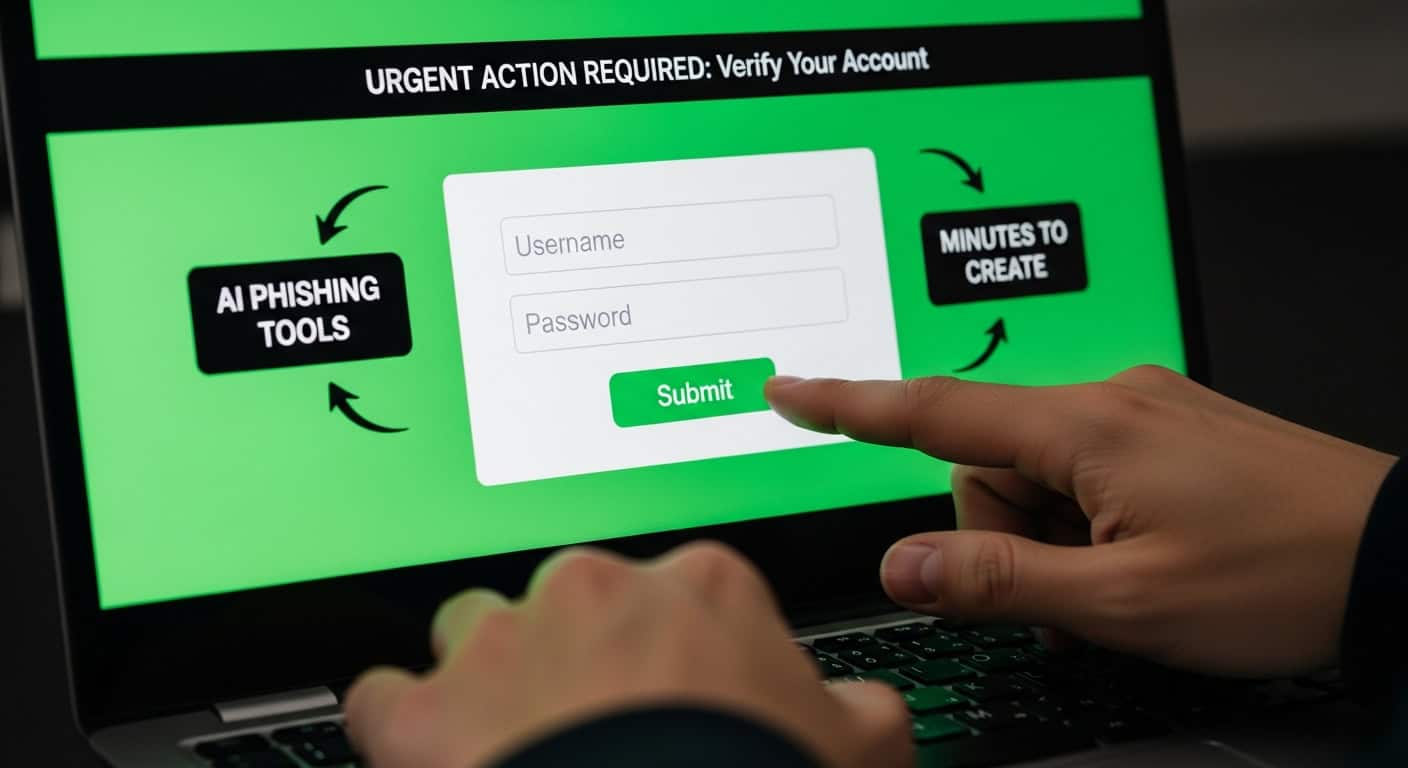
Traditional security awareness platforms operate on a template model. A vendor creates a library of phishing emails—maybe a fake password reset, a fraudulent invoice, a spoofed IT notification—and organizations deploy these templates to test their employees.
When employees see the same template patterns month after month, they're not learning to recognize social engineering. They're learning to recognize your vendor's templates. The moment a real attacker uses a novel approach, does all that training become practice?
⚠️ Templated Simulations
- Static and predictable over time
- Based on generic attack patterns
- No connection to active threat campaigns
- Employees learn to spot "the test"
- Same templates across all industries
- Text-only, ignoring voice and video vectors
🎯 Threat-Intel Driven
- Dynamic, evolving with the threat landscape
- Replicates actual adversary TTPs
- Informed by active campaign intelligence
- Genuinely tests real-world resilience
- Tailored to your sector and organization
- Full-spectrum: email, voice, video, SMS
Real Threats Require Real Simulations
Effective security awareness doesn't come from checking a compliance box. It comes from exposing your workforce to the same tactics, techniques, and procedures (TTPs) that actual threat actors are deploying against organizations like yours—right now.
Continuous Threat Intelligence
We monitor active campaigns targeting your industry, identifying emerging attack patterns before they become widespread.
AI-Generated Pretexts
Our simulations use the same generative AI techniques adversaries employ—voice cloning, deepfake video, synthetic personas.
Contextual Targeting
Attacks are tailored to your organization's structure, communication patterns, and known vulnerabilities.
Multi-Channel Orchestration
Real attackers don't limit themselves to email. Neither do we—voice, video, SMS, and social platforms are all in scope.
From Awareness to Resilience
The goal isn't just to test whether employees click links. It's to build genuine organizational resilience against the sophisticated social engineering attacks that define today's threat landscape.
That means moving beyond templated phishing toward red team assessments that mirror real adversary behavior. It means training employees to recognize synthetic media, to verify through out-of-band channels, and to understand that the voice on the phone might not be who they think it is.
Layer 7 is the new perimeter. Every employee with a phone or email address is now an attack surface. The question isn't whether your people will be targeted—it's whether they'll be ready.
Deepfake-enabled attacks aren't a future concern. They're happening now, across industries, with increasing sophistication. The organizations that invest in realistic, threat-intelligence-driven simulations today will be the ones that avoid becoming tomorrow's headlines.
The rest will keep running templated tests, achieving 95% "pass rates," and wondering how the breach happened anyway.
See How Your Organization Would Respond
Our AI-powered red team assessments reveal the gaps that templated simulations miss. Get a realistic picture of your human-layer security posture.
Request an Assessment
Latest Posts


Table Of Contents
About the Author: Jason Thatcher


 support@breacher.ai